In today’s digital-first world, brand reputation is no longer shaped only by advertisements or word of mouth. Online reviews, social media conversations, and search engine results now decide how people perceive a business. Reputation management has become a core part of digital strategy, especially for brands competing in crowded markets. Understanding the latest trends helps businesses protect trust, build credibility, and stay competitive in the long run.
Why Online Reputation Management Matters More Than Ever
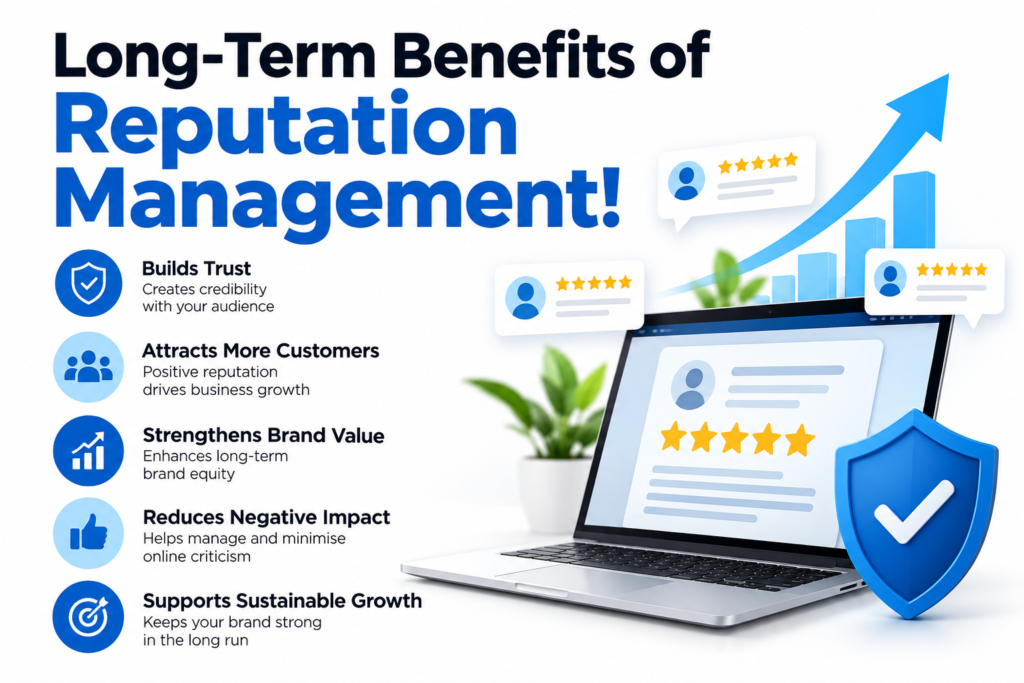
Customers today research extensively before making decisions. A single negative review or misleading post can influence buying behavior within seconds. Online reputation management focuses on monitoring, improving, and maintaining how a brand appears across digital platforms. For businesses working with a digital marketing company in hyderabad, reputation management is no longer optional; it is essential for survival and growth.
Key reasons reputation management matters include the following:
Customers trust online reviews as much as personal recommendations.
Search results influence first impressions.
Social media amplifies both positive and negative feedback.
Strong reputation increases conversion and loyalty.
Trend 1: Real-Time Review Monitoring and Response
One of the strongest trends is real-time monitoring of reviews and feedback. Customers expect quick responses, especially when issues arise. Delayed replies can make brands look careless or unresponsive. Businesses are now investing in systems and teams that track reviews across platforms and respond professionally within hours.
Important practices include:
Responding politely to both positive and negative reviews.
Acknowledging customer concerns openly.
Offering solutions instead of arguments.
Maintaining consistent brand tone.
This trend has increased demand for professional ORM services in hyderabad that can handle reputation challenges efficiently.
Trend 2: Search Engine Reputation Optimization
Search engines often create the first impression of a brand. Businesses are focusing on optimizing branded search results so that positive content appears higher than negative or outdated information. This includes publishing blogs, press releases, and informative pages that strengthen brand authority.
Search engine reputation optimization involves:
Creating high-quality branded content.
Improving website credibility and relevance.
Managing third-party listings and profiles.
Monitoring branded keyword performance.
This trend ensures that when customers search for a business, they see accurate and trustworthy information first.
Trend 3: Social Media as a Reputation Builder
Social media platforms have evolved into public customer service channels. How a brand responds to comments, messages, and mentions directly affects its reputation. Audiences closely watch how companies handle complaints, appreciation, and criticism in public spaces.
Key social media reputation practices include the following:
Prompt replies to comments and messages.
Transparent communication during issues.
Human and empathetic responses.
Consistent brand voice across platforms.
Many brands now rely on a social media management agency in hyderabad to maintain professionalism and consistency online.
Trend 4: Proactive Content for Trust Building
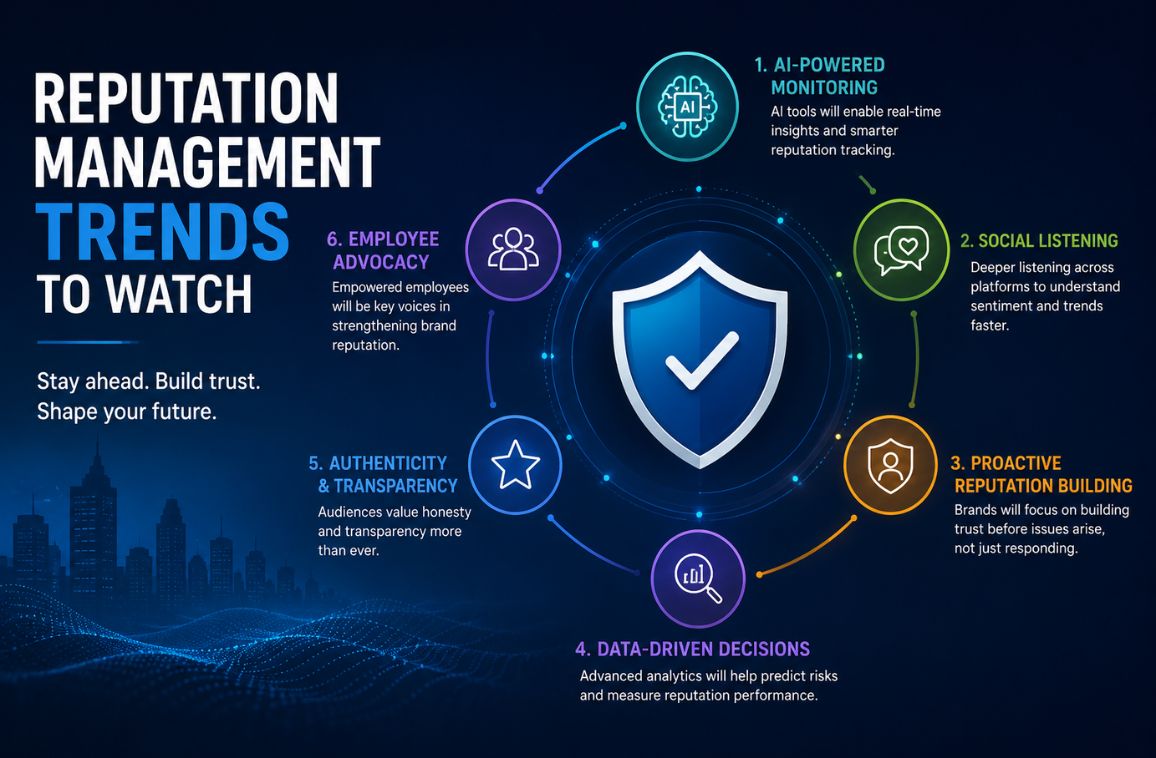
Reputation management is shifting from damage control to proactive trust building. Brands are sharing behind-the-scenes content, customer success stories, employee voices, and educational posts to humanize their identity. This approach builds long-term credibility instead of short-term fixes.
Effective trust-building content includes:
Customer testimonials and case studies.
Thought leadership articles.
Educational videos and posts.
Brand value and culture highlights.
This proactive strategy reduces the impact of occasional negative feedback.
Trend 5: Data-Driven Reputation Insights
Analytics is playing a bigger role in reputation management. Businesses are tracking sentiment analysis, review trends, and engagement patterns to understand public perception. These insights help brands make informed decisions and improve customer experience continuously.
Key data points monitored include the following:
Sentiment changes over time.
Platform-specific feedback patterns.
Response effectiveness.
Customer satisfaction trends.
An experienced online marketing company in hyderabad can help translate these insights into actionable strategies.

How Businesses Can Stay Ahead
To stay competitive, businesses must treat reputation management as an ongoing process rather than a one-time task. Aligning reputation goals with marketing and customer service efforts creates stronger results.
Best practices to follow:
Monitor brand mentions consistently.
Respond with empathy and clarity.
Invest in quality content creation.
Use analytics to guide decisions.
Final Thoughts
Reputation management is evolving rapidly, driven by customer expectations and digital transparency. Brands that adapt to these trends can protect trust, strengthen relationships, and create lasting value. Watching and implementing these reputation management trends is no longer optional; it is a strategic necessity for modern businesses aiming for sustainable growth.